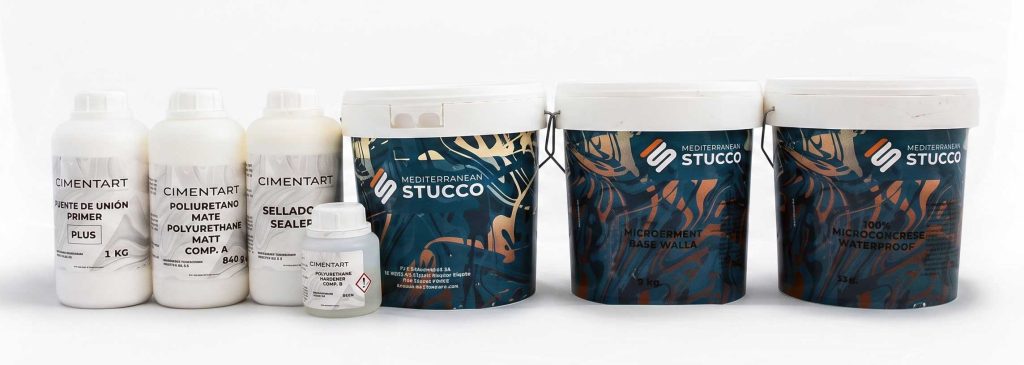
For more information about Mediterranean Microcement Supplies visit mediterranean-microcement.co.uk
When you want a continuous, joint-free finish for your floors, walls, or worktops, Mediterranean microcement is the exact material you need. People often look at the smooth, textured surfaces in modern homes and wonder how to achieve that exact look without removing their existing tiles or enduring a messy renovation. This guide gives you the precise answers. It explains what microcement is, where it works best, and how the application process happens. You will learn the facts about its durability and exactly how to maintain it for the long term. This helps you make the right choice for your property.
What Mediterranean Microcement Actually Is
Mediterranean microcement is a highly durable, thin decorative coating. It combines cement, water-based resins, fine aggregates, and mineral pigments. You apply it in layers to create a solid, continuous surface with zero joints or grout lines. The total thickness reaches only two to three millimetres. Despite this thin profile, the material provides extreme resistance to wear, impacts, and daily traffic.
Contractors apply it directly over your existing surfaces. This works on plasterboard, concrete, wood, and even ceramic tiles. You do not need to demolish your old bathroom or kitchen to install it. This saves you weeks of labour and prevents massive amounts of dust in your home. The material bonds tightly to the substrate below it.
The Chemical Composition And Strength
The strength of this material comes from the precise chemical blend. Traditional cement cracks easily because it is rigid. Microcement solves this problem by incorporating advanced liquid polymers and resins. These resins give the cement flexibility. When a building settles or the temperature changes, the flexible microcement moves slightly with the building. This prevents cracking and structural failure.
Brands like CimentArt manufacture specialized versions of this material. Their Aqua Quartz microcement is 100% waterproof straight out of the bucket. Older forms of microcement relied entirely on a top layer of varnish to stop water. If that varnish scratched, water entered the cement and caused dark stains. The new technology changes the chemical structure of the mixture itself. The material repels water naturally. This gives you absolute confidence when using it in wet environments.
The Visual Characteristics Of The Finish
The most obvious visual feature is the complete lack of joints. A traditional tiled floor breaks a room into a grid of small squares. Microcement creates one unbroken, sweeping surface. This makes small rooms look larger and connects open-plan living spaces perfectly.
The application requires skilled trowel work by hand. The installer sweeps the trowel across the wet material, leaving subtle textures and watermarks in the finish. These marks create the classic Mediterranean look. It is an artisanal finish, meaning no two walls or floors ever look exactly the same. You choose the specific texture you want. Some people prefer the highly textured Stone finish. Others prefer the completely smooth Nature finish. The mineral pigments ensure the colour remains uniform, but the light catches the trowel marks to provide natural depth and character.
The Best Indoor Applications For Your Home
Microcement transforms interior spaces quickly and cleanly. It works on floors, walls, ceilings, and custom-built furniture. Because it conducts heat efficiently, it is an excellent choice for floors with underfloor heating systems. The heat transfers directly through the thin layers and warms the room quickly.
If you are planning a renovation and want to buy Mediterranean Microcement, understanding its specific indoor applications ensures you get the best results. It solves many common design problems in high-traffic areas of the house.
Seamless Kitchen Worktops And Floors
Kitchens experience heavy foot traffic, spilled liquids, and dropped items. Microcement handles all of this easily. On a kitchen floor, the lack of grout lines means there are no crevices for dirt, crumbs, or grease to accumulate. You just sweep and mop the flat surface.
You can also apply it directly to kitchen worktops and central islands. A microcement kitchen island becomes the focal point of the room. It looks like a solid block of poured concrete but weighs a fraction of the amount. The polyurethane sealers applied at the end of the process protect the surface from cooking stains. Olive oil, coffee, and wine wipe off completely if you clean them up promptly. The surface also resists the heat from warm plates and mugs, though you still use a trivet for boiling pans straight from the oven.
Waterproof Bathrooms And Wet Rooms
Bathrooms represent the most popular application for this material. A traditional bathroom requires silicone sealants and grout. Over time, moisture gets trapped in the grout, causing black mould to grow. You have to scrub it constantly. Microcement eliminates grout entirely.
Because products like Aqua Quartz are fully waterproof, you apply them directly inside the shower enclosure. The water hits the wall and runs straight down to the drain. The installer shapes the floor to create the correct fall for the water to drain away properly. You can even coat the bathroom sink and the vanity unit in the exact same material as the walls. This creates a striking, minimalist wet room. It is completely hygienic because there are no hidden gaps for bacteria to breed.
Using Microcement For Outdoor Spaces
The material performs just as well outdoors as it does indoors. Exterior surfaces face harsh conditions, including driving rain, freezing winter temperatures, and intense summer sun. Mediterranean microcement uses UV-stable pigments. This means the colour will not fade or turn yellow when exposed to direct sunlight for years.
You use it to connect your indoor and outdoor spaces. You apply the exact same colour on your kitchen floor and continue it straight out onto your garden patio. When you open your bifold doors, the house flows seamlessly into the garden.
Weather Resistance On Patios And Terraces
Outdoor patios require a material that survives the freeze and thaw cycle. In winter, water enters porous stones and freezes. The ice expands and cracks the stone. Microcement is non-porous when correctly sealed, and the waterproof versions repel the water entirely. Water cannot penetrate the surface to freeze inside it.
Safety is also a primary concern for outdoor floors. A smooth indoor finish becomes very slippery when it rains outside. The installer fixes this by mixing anti-slip additives into the final coats of the patio surface. These microscopic granules give the floor a slight grip. This works perfectly to prevent slipping in wet weather while remaining easy to clean.
Coating Swimming Pools And Water Features
Swimming pools traditionally use small glass mosaic tiles. Eventually, the chemicals and the water pressure cause these tiles to detach. You then have to drain the pool and re-tile it. Microcement offers a permanent, jointless alternative for swimming pool basins.
The continuous surface looks spectacular underwater. The water reflects the subtle trowel marks and creates a beautiful, natural aesthetic similar to a stone lagoon. The material resists the harsh chlorine or salt water used to keep the pool clean. You apply it directly over the old pool shell. This completely updates the look of an old swimming pool without heavy excavation or concrete pouring.
The Application Process And Timeframes
Installing this material requires training, precision, and strict adherence to the manufacturer’s guidelines. It is not a quick weekend project for an amateur. The process takes time because each layer must dry and cure before the next layer goes on.
A standard room, such as a bathroom or a kitchen floor, takes between four and five days to complete. The time is spent waiting for the materials to dry, rather than physical labour. Understanding the steps helps you plan your renovation schedule effectively.
Preparing The Existing Surfaces
Preparation is the most critical part of the entire installation. The microcement simply follows the shape of the wall or floor beneath it. If the floor is uneven, the installer levels it first with a self-levelling compound.
The installer cleans the existing surface thoroughly to remove all dust and grease. They then apply a liquid primer. This primer makes the surface sticky and ready to receive the cement. Next, they roll out a flexible fibreglass mesh across the entire area. They trowel a coarse base coat of microcement over the mesh. The mesh acts like a skeleton. It holds the base coat together and stops any cracks in your old floor from transferring through to the new surface. Once this base coat dries, they sand it smooth.
Applying The Layers And Final Sealant
After the base structure is solid, the aesthetic work begins. The installer applies two thin coats of fine microcement. This is where you choose your specific finish and colour. They use smooth metal trowels or flexible plastic trowels to create the exact texture you want. They let each coat dry and then sand it very lightly to remove any sharp edges.
The final step protects everything. The installer applies a pore-sealing liquid, followed by two coats of polyurethane varnish. You choose whether you want a matte, satin, or gloss finish. The varnish cures over the next week. You can walk on the floor in your socks the next day, but you wait a full seven days before moving heavy furniture back into the room. This gives the chemical resins the time they need to harden completely.
Long Term Maintenance And Care Requirements
People often worry about how to clean and maintain a seamless floor. The reality is that maintaining microcement requires less effort than maintaining natural wood or traditional stone. The polyurethane sealer acts as a protective shield. Dirt and spills sit on top of this shield. They do not penetrate the cement.
Treat the surface similarly to a solid oak floor. You do not leave puddles of water sitting on it for days, and you protect it from sharp, heavy impacts. Following a simple routine ensures the finish looks brand new for decades.
Daily Cleaning Routines That Work
Your daily cleaning routine is very simple. You sweep the floor with a soft broom or vacuum it with the brush attachment extended. This removes dust and grit. Grit acts like sandpaper under your shoes, so removing it prevents the varnish from wearing down over time.
For washing, you use a PH-neutral floor cleaner mixed with warm water. You mop the floor and let it air dry. You strictly avoid bleach, ammonia, and harsh acidic cleaners. These strong chemicals eat into the polyurethane varnish. If you destroy the varnish, you remove the protective layer, and the floor becomes vulnerable to stains. A gentle soap is all the surface ever needs to stay perfectly clean.
Protecting The Surface From Damage
Prevention stops damage before it happens. You attach thick felt pads to the bottom of all your dining chairs, tables, and sofas. When you pull a chair out, the felt glides across the floor safely. You never drag heavy appliances like washing machines or fridges across the floor. You lift them or place them on protective sliding boards.
If you accidentally drop a heavy hammer and chip the floor, it is not the end of the world. A trained installer can repair the damage. They sand down the damaged patch, apply a small amount of new material, and reseal it. The repair blends back into the textured surface. This makes the material highly practical for busy homes. It handles real life effortlessly.